BEIJING, 1 September — The kick-off meeting for the Technical Guidelines and Trainings for the Development of New Energy Vehicles project was held in Beijing on 1 September, alongside the establishment of its Project Steering Committee and an expanded meeting with industry experts. Jointly undertaken by the International Hydrogen Fuel Cell Association (IHFCA) and the China Society of Automotive Engineers (China SAE), with support from the United Nations Industrial Development Organization (UNIDO) and China’s Ministry of Commerce, the project aims to advance the sound, orderly and sustainable development of the global new energy vehicle (NEV) industry.
The project responds to the global commitment to green, low-carbon development. Advancing clean energy and addressing climate change are central to the United Nations 2030 Agenda for Sustainable Development. The electrification of transport is a key means of achieving these goals and a defining direction for the global automotive industry.
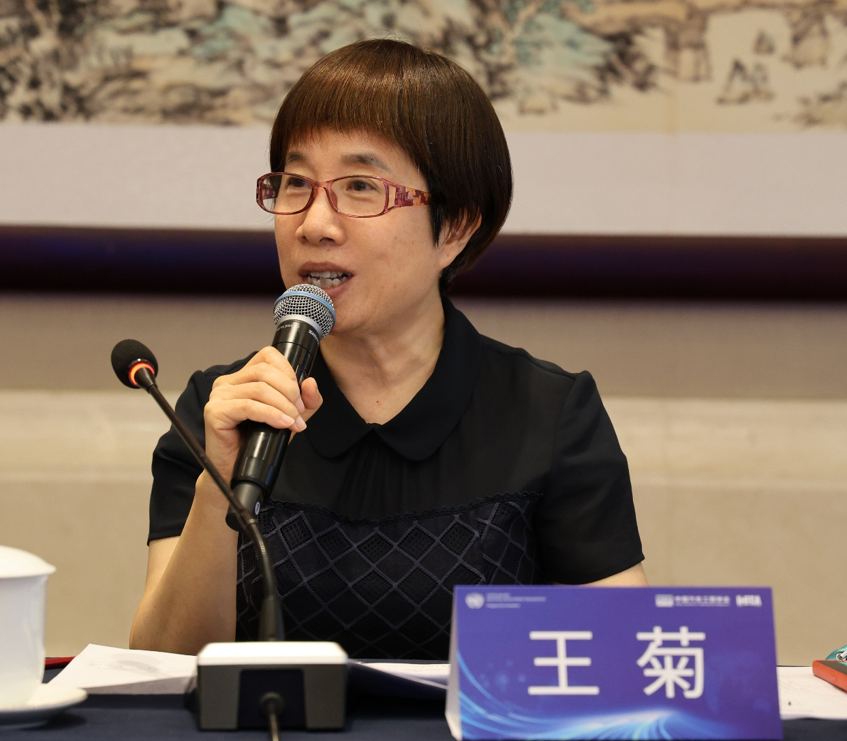
The meeting brought together more than 50 experts and representatives from the Ministry of Commerce’s Department of International Trade and Economic Affairs, UNIDO, as well as vehicle manufacturers, component suppliers, energy and infrastructure companies, universities and research institutions. Ju Wang, Secretary General of IHFCA, moderated the meeting.
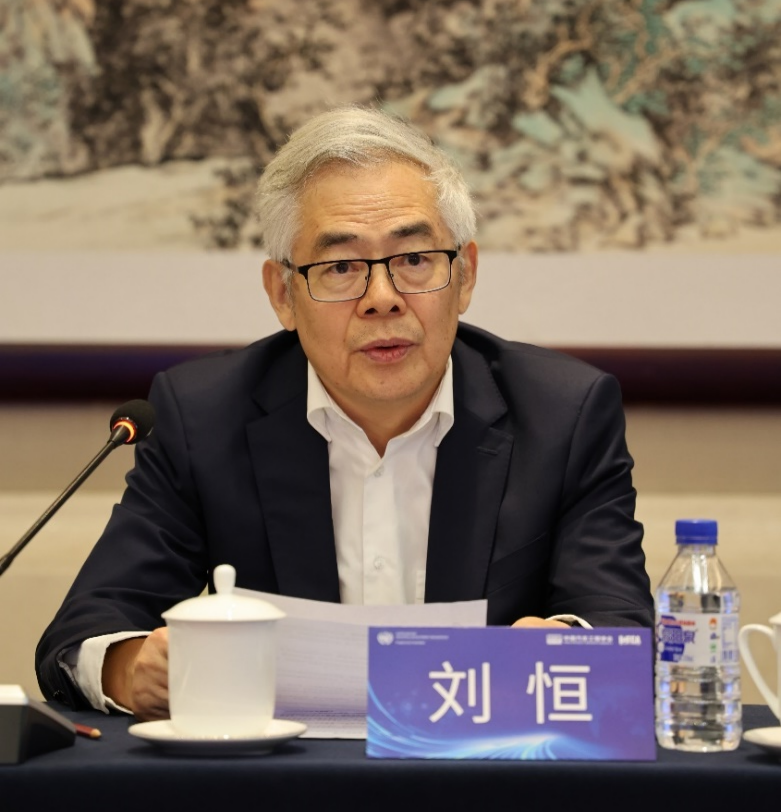
In his opening remarks, Heng Liu, Senior Technical Adviser at UNIDO, highlighted the project’s core value: creating an open international platform for technical exchange and cooperation, enabling participants to share experience and achieve mutually beneficial outcomes while contributing to the inclusive and sustainable development of the global NEV industry. He called for a coordinated approach to technical guideline development, capacity-building training and engagement with international standardization bodies. The guidelines should combine practical value with an international perspective and be continuously refined through expert review. Training for Southeast Asia and other countries should deliver practical, tangible results, while closer engagement with ISO and other international standardization bodies should lay the groundwork for the project’s outputs to inform future international standards.
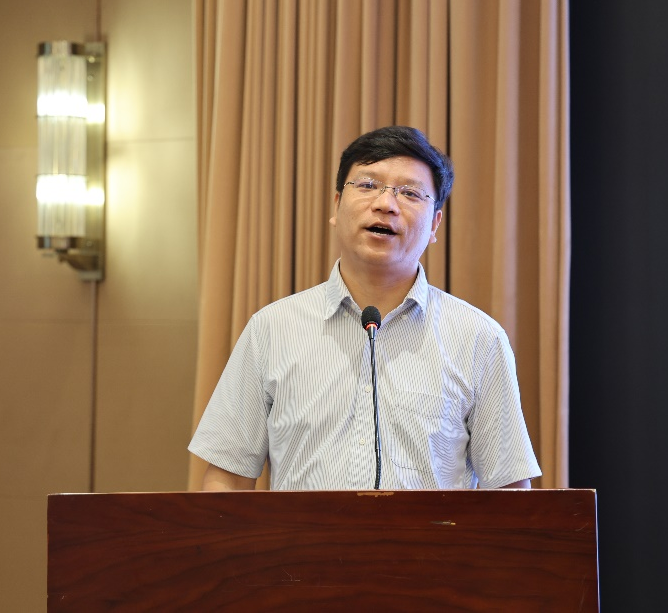
A senior representative of the project supporting institution emphasized that the project would bring together expertise from across the global industry and draw on China’s practical experience to support NEV development worldwide, while further enriching cooperation between China and UNIDO. The representative called for UNIDO’s central role to be fully reflected in implementation, with activities proceeding in accordance with the project documents and management procedures, supported by monitoring and evaluation throughout the project and effective dissemination of results. The executing institutions should build on their respective strengths, distil successful and transferable experience into broadly applicable technical guidance, and deliver meaningful benefits to participating countries. Close communication and coordination among all partners would be essential to high-quality implementation and substantive outcomes.
Lijin Zhao, Deputy Secretary-General of China SAE and Project Leader, presented the overall implementation plan and progress in preparatory work, covering the project’s background, research scope, organizational structure and implementation schedule. He outlined the preliminary framework for technical guidelines addressing complete vehicles, components, infrastructure, operational safety and sustainability, as well as proposed curricula for two international training streams: new energy vehicles, and hydrogen energy and fuel cell vehicles.
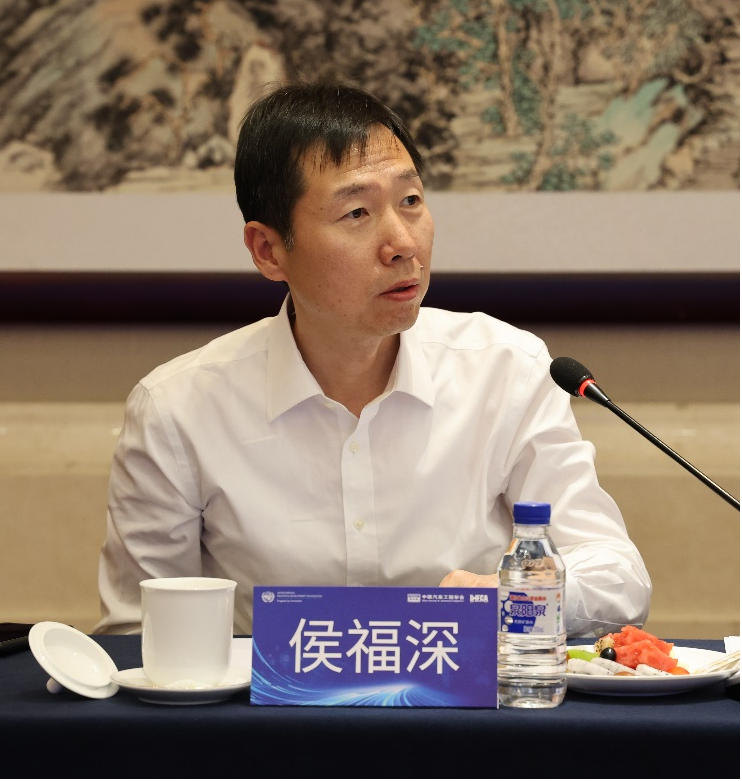
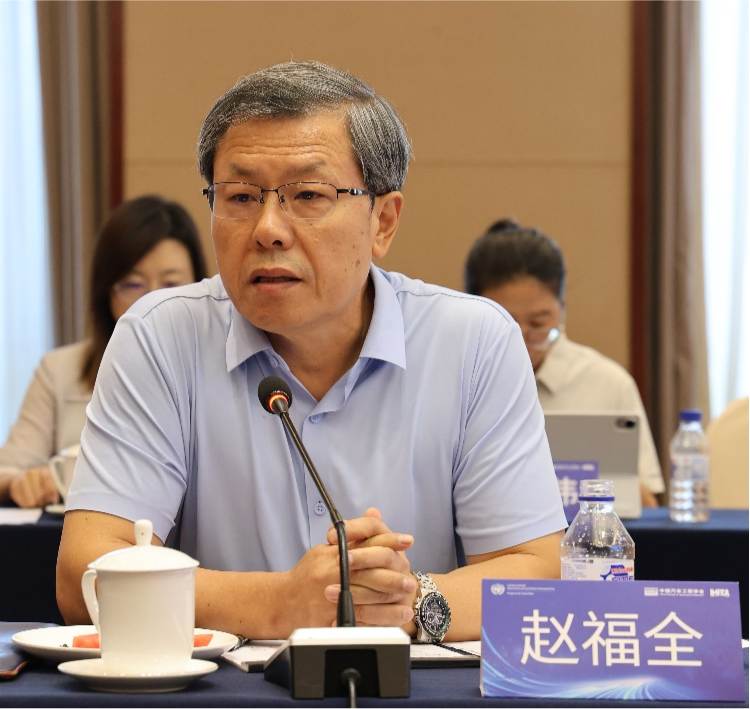
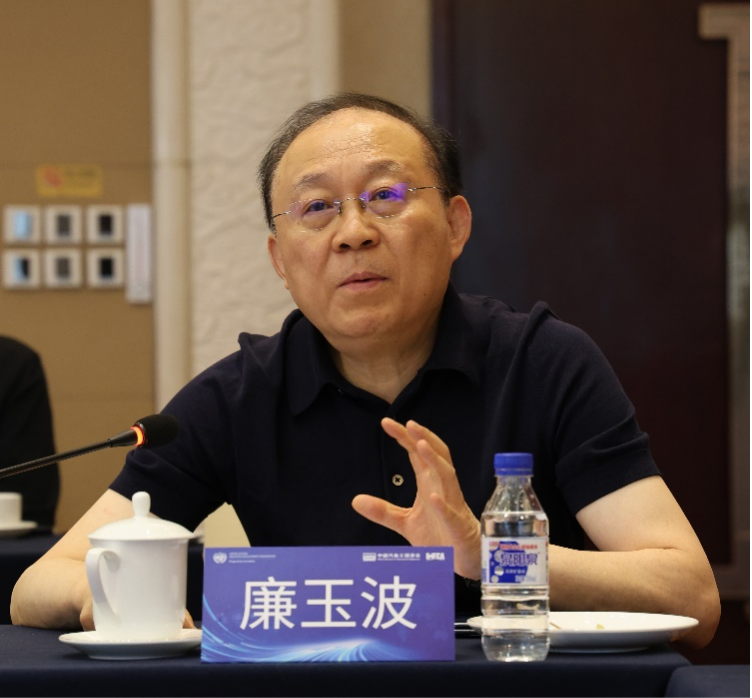
The discussion opened with remarks from Project Steering Committee members, including Fushen Hou, Vice Chairman and Secretary-General of the China SAE; Fuquan Zhao, Professor at Tsinghua University; and Yubo Lian, Chief Scientist at BYD. Other experts participating in the project then contributed constructive recommendations on its two core areas of work—technical guidelines and international trainings—with a particular focus on enhancing the comprehensiveness, broad applicability and practical implementation of the project’s outputs.
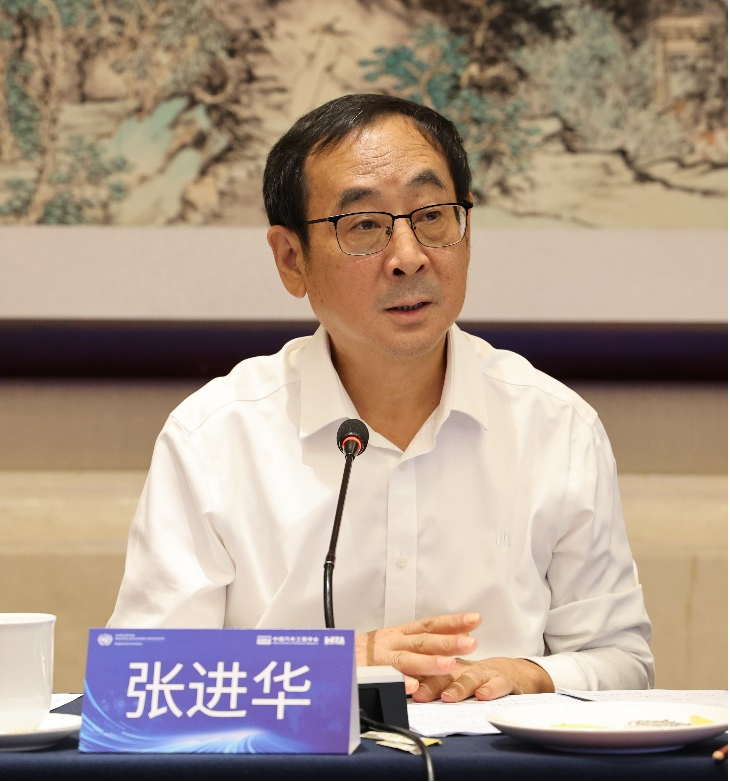
Delivering concluding remarks on behalf of the Project Steering Committee, Jinhua Zhang, Chairman of China SAE and Standing Vice Chairman of IHFCA, emphasized that the project should serve the global transition towards green, low-carbon development. The guidelines should use international standards as their backbone, complemented by practical experience from different countries. They should establish a systematic framework addressing key priorities for government planning and regulation, including infrastructure, operational safety and full life-cycle considerations, while drawing extensively on input from multinational companies and international organizations.
Ju Wang noted that the project would mobilize expertise from across the global industry to develop technical guidelines that are internationally applicable, adaptable to national circumstances and practical to implement. Trainings would initially focus on Southeast Asia before gradually expanding its reach worldwide, with best-practice sharing fostering mutual learning, capacity development and international cooperation.
Planned as a two-year initiative, the project will draw on the expertise and networks of the IHFCA and China SAE to advance its key activities and encourage continued participation by institutions and experts from China and abroad. Together, the partners will develop a reference framework for NEV industry development and practical guidance that can be replicated and adapted across markets. Through international dissemination and wider application of these outputs, the project seeks to accelerate the transformation and sustainable development of the global automotive industry.
International Hydrogen Fuel Cell Association (IHFCA)
Tel: +86 19989895246 | Email: weilinzhang@ihfca.net
China Society of Automotive Engineers (China SAE)
Tel: +86 13811191818 | Email: zhoasen@sae-china.org